Home
Restoration
Services
Brush Removal
Contact Us
Prairies
Careers
Links
Gallery

Welcome to Midwest Prairies

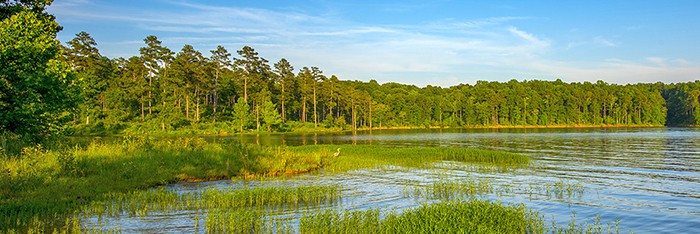
     Our mission is to design, restore and manage prairies, woodlands, and wildlife habitats in an ecologically sound manner to improve and protect the heritage and character of our natural landscape.


MIDWEST PRAIRIES LLC has been in business since 1993


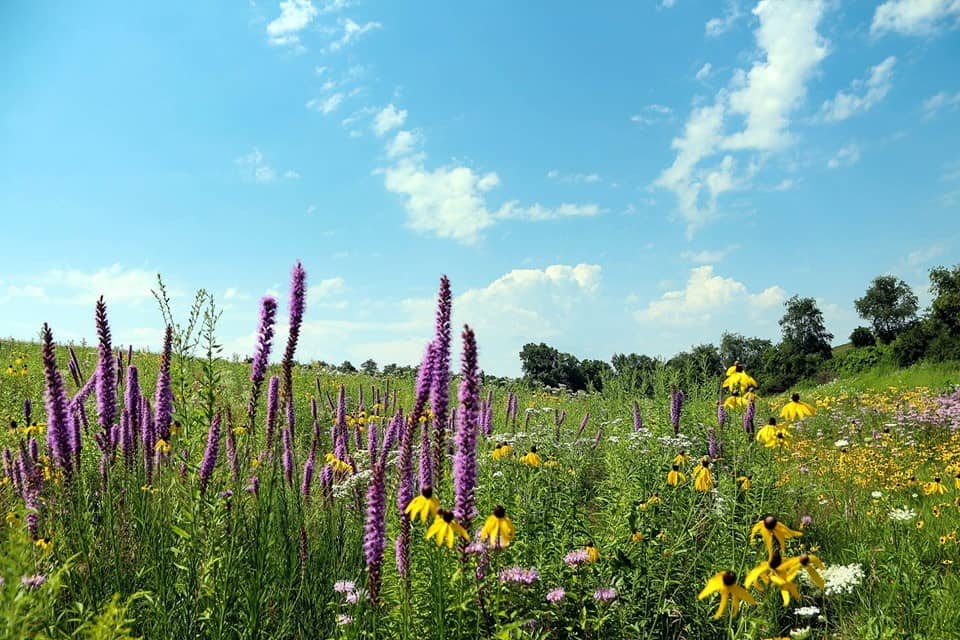
Whether you are interested in restoring a large area to a prairie habitat or inter-planting native flowers and grasses into your existing landscape design, we can help you reach your goal.


Butterfly Milkweed in mid-summer splendor.

LATEST NEWS & TIPS

Garlic Mustard (Alliaria petiolata) is a major threat to Wisconsin's woodlands.  It is a rapidly growing biennial (two-year growth cycle).  With no controls, garlic mustard becomes so dense that it shades out native wildflowers within a few years of being introduced.

May is the time to remove this plant or do a chemical application if too many to hand pull.  Once they start flowering, they need to be pulled, bagged and removed from the site.

Check out the IPAWS web site for more information on invasive plants.

http://www.ipaw.org/


Wild Parsnip (Pastinaca sativa) - Is an invasive plant that is populating roadsides and other open areas.  Once established it can spread rapidly.  When the juice from the plant comes in contact with bare skin that is then exposed to ultraviolet rays from sunlight, it can cause blistering "burns".  Avoid contact with plant juices exuded from broken or cut plant parts.

Control methods: Wear protective clothing, cut roots just below ground level with a shovel just before plant flowers.  Carefully spot-treat basal rosettes with Escort or Roundup.  Note Roundup kills everything so be careful not to over spray.  For large areas mowing before the plant sets seed.

You can also check the WI DNR web site for more information on invasive plants.

www.dnr.wi.gov/invasives/


Native plants offer our insects and wildlife valuable food and cover!

Plants that are native to the Midwestern U.S. are among the easiest plants to grow and are sure to draw the attention of neighbors and wildlife alike. Planting the flowers and grasses that inhabited this area historically offers many advantages. These plants, of our prairies and woodlands, have thrived through thousands of years in Wisconsin; through bitter cold winters and frequent summer droughts. There isn’t a stronger or more adapted plant to our local conditions.

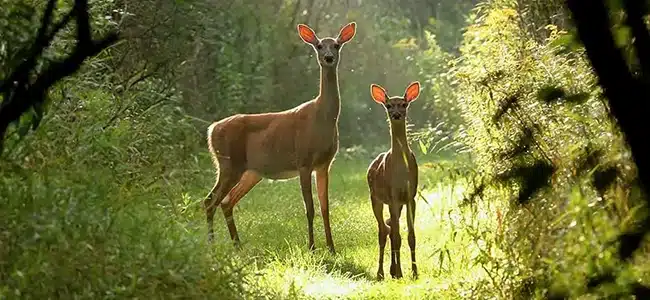
Native plants offer nectar and seeds that attract scores of songbirds, hummingbirds, and butterflies. These plants are extremely easy to grow. They are perennial, long-lived, and require very little maintenance. So…go ahead and plant Wisconsin Native Plants either in a prairie garden or inter-plant within an existing landscape. The wildlife thank you.

  • There are numerous advantages to creating or restoring a prairie landscape.
  • Attract a diverse array of birds, butterflies and wildlife
  • A sea of brilliant colors from spring to fall
  • Cost effective – no chemicals, fertilizers, watering, or weeding
  • Much hardier and requires less maintenance than flowers purchased at the store
  • All perennial plants…they don’t require planting every year

     We can carefully select the plants that would thrive on your specific soil and moisture regime.